




The ARM architecture
The ARM architecture, formerly known as the Advanced Reduced Instruction Set Machine (AcornRISCMachine), is a 32-bit Reduced instruction set (RISC) processor architecture that is widely used in many embedded system designs. Due to the characteristics of energy saving, ARM processors are very suitable for the field of mobile communications, in line with its main design goal of low Characteristics of power consumption. Today, the ARM family accounts for 75% of all 32-bit embedded processors, making it one of the largest 32-bit architectures in the world. ARM processors can be found in many consumer electronics products, from portable devices (PDAs, mobile phones, multimedia players, handheld video games, and computers) to computer peripherals (hard drives, desktop routers) and even in military installations such as missile-mounted computers. There are also derivatives based on ARM designs, including Marvell's XScale architecture and Texas Instruments' OMAP family.
Related Products

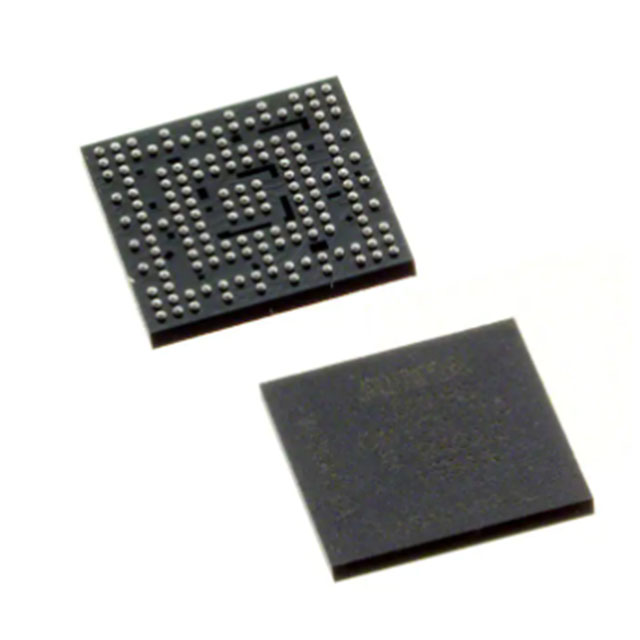
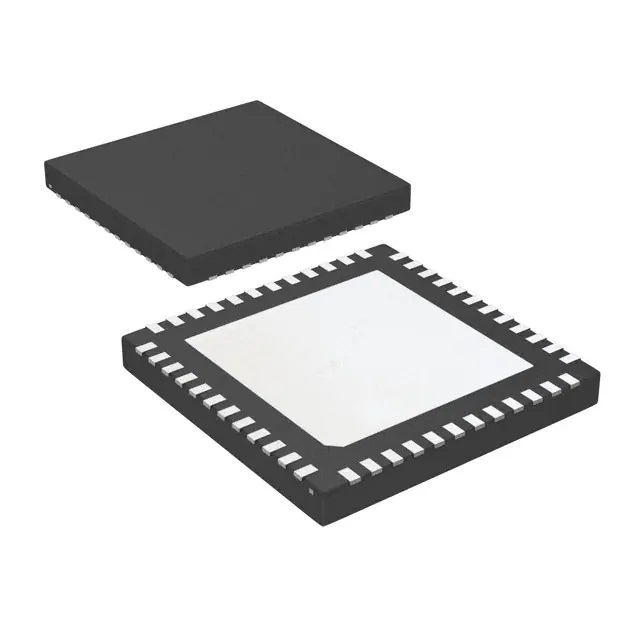
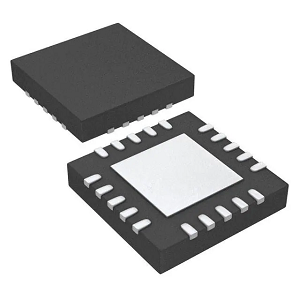
DS90UB914ATRHSRQ1 Original Brand New QFN DS90UB914ATRHSRQ1 With The Salesman RE-VALIDATE Offer Pleas

Top Selling Products

.jpg)
- Related Blog
- Reviews
