




Sample and hold amplifier
Sample and hold amplifier (sample/hold) is also called sample and hold circuit. When the analog signal is converted to A/D, a certain conversion time is required, and during this conversion time, the analog signal must remain basically unchanged, so as to ensure the conversion accuracy. The sampling and holding circuit is the circuit to realize this function. Sample-hold amplifiers are used in signal processing systems, event analysis, and many other applications. During A/D conversion. The input signal must be kept constant in order to obtain the correct conversion result. When you want to collect multiple sensor signals at the same time, A circuit is needed to keep the signal of each sensor at the same time, and then convert it by sharing A/D converter and send it into the memory, this circuit is the sampling and holding device. Also known as S/H. Under the input logic level control, there are two operating states: "Sample" or "hold". In the "sampling" state, the output of the circuit tracks the input analog signal, and in the "hold" state, the output of the circuit maintains the instantaneous input analog signal at the end of the previous sampling until it enters the next sampling state.
Related Products
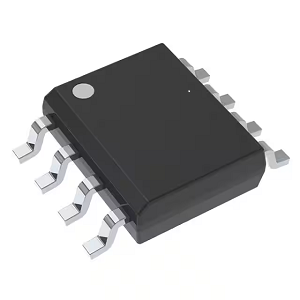
INA240A2DR - Integrated Circuits, Linear, Amplifiers, Instrumentation, OP Amps, Buffer Amps
Read More

Top Selling Products



- Related Blog
- Reviews
